
Robert Romanyshyn
Homesickness in the Time of COVID-19
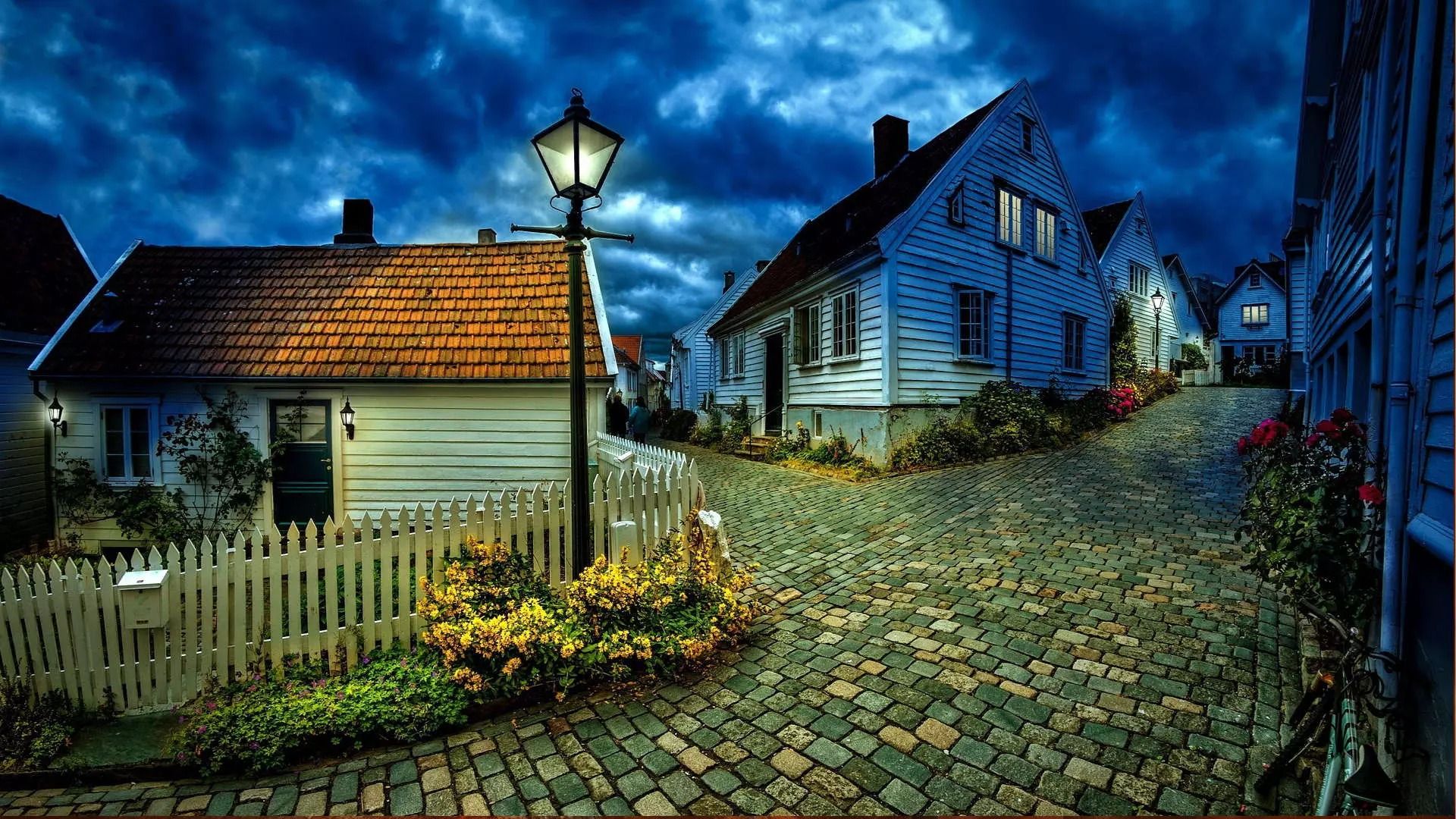
This is the fifteenth blog post in the series Sixteen Psychological Reflections on COVID-19 by Robert Romanyshyn
What images does this word conjure up in all of us?
What memories, desires, hopes and feelings arise from the depths of the soul with the very speaking of the word?
Home is at the heart of these blogs because each in its own way has considered how Covid-19 is awakening this archetypal image, which is perhaps the first, oldest and deepest root of our ties to the world and which sets the rhythms of our existence as a journey between birth and death. Home is the image that holds together the place from where one starts and the place to which one returns. It is also an image that tints this journey with the mood of melancholy, of loss and even for some a sense of nostalgia, a word that means homesickness.
Perhaps, all sickness is just that—Homesickness! Through a friend of mine from long ago, Dianne Connelly, acupuncturist and healer, I actually had a profound experience of the transpersonal nature of this homesickness, which transformed my life. Her book, All Sickness is Homesickness is testimony to the archetypal depths of this possibility.
Poets also seem to draw on this image and its moods, or at least some do so. It is there in the figure and stories of Orpheus, the eponymous poet, whose name is the very name of poetry itself. Orpheus is the link between humanity and the Gods, and his presence awakens us to that powerful sense of homecoming as a return to the sacred.
One finds this same sentiment in Wordsworth. In Intimations of Immortality From Recollections of Early Childhood, he writes:
Our birth is but a sleep and a forgetting
The Soul that rises with us, our life’s Star
Hath had elsewhere its setting,
And cometh from afar.
Not in entire forgetfulness
And not in utter nakedness,
But trailing clouds of glory do we come
From God, who is our home;
Heaven lies about us in our infancy.
In addition to Wordsworth, this sense of the sacred as something that is transcendent and frames our passage from birth to death is also present in the romantic poets in general. One finds it, for example, in Keats’s Ode On Melancholy where he advises us to ‘glut thy sorrow on a morning rose,’ thereby turning us to Beauty and its unexpected epiphanies as faces of the sacred and as a force that awakens us to the transcendent forms of the archetypes.
And less we forget, the image of home, its moods and its rhythms threads its way throughout Rilke’s Duino Elegies. In the very First Elegy, he laments how we, who struggle here between the serene Beauty of the Angel and the security of the Animal within its prescribed habits, ‘…don’t feel securely at home/within our interpreted world.’ This lament is enriched in the Eighth Elegy with an enduring image:
‘Who’s turned us round like this, so that we always
do what we may, retain the attitude
of someone who’s departing? Just as he
on the last hill, that shows him all his valley
for the last time, will turn and stop and linger,
we live our lives, for ever taking leave.’
On the way, always on the way, Home is that enduring image that is present in its absence and in its absence remains a presence, like the horizon which always draws us on. We are, as it were, wanderers, vagabonds if you will, who feel the powerful magnetism of the image of Home in those moments when we become aware that we are not at home. Indeed, this was my experience in the Antarctic in 2009 where at the ends of the Earth so far from home I began to find my Home.
Today might be such a moment.
Blog 16 explores this possibility within the context of these two questions:
In the age of the pandemic are we more and more homeless?
Is there at the heart of our homelessness a homesickness, a sickness of the spirit left adrift in the digital wilderness of our increasingly constructed technological world?
Enjoy all the essays in the series Sixteen Psychological Reflections on COVID-19.
You might also enjoy Robert Romanyshyn’s course Reflections on Ecology and Soul. In this course, Robert takes us on a journey into the depths of the soul of the world and into those places where nature, psyche, technology, and humans meet.
Share
Robert Romanyshyn
Robert D. Romanyshyn is an Emeritus Professor of Clinical Psychology at Pacifica Graduate Institute, an Affiliate Member of The Inter-Regional Society of Jungian Analysts, and a Fellow of the Dallas Institute of Humanities and Culture. He is also a Core Faculty Member at Jung Platform.
Other blog posts

Jung Platform is an online education space that offers a range of depth psychological and spiritual perspectives. Our courses and talks explore the journey of life with guidance from highly regarded teachers.
We are passionate about offering practical, life-enhancing tools and opportunities to connect with others on this path. Our aim is to help people connect to their own soul, so they can live more fully and colorfully.
Stay inspired.Get our magical updates.
Thank you for signing up!
FEATURED LINKS
-
About us
-
Blog
-
Ambassadors
-
Faculty
-
Jungian Terms
-
Cookies
-
Privacy
-
FAQ
-
Terms of Use
-
Contact
-
Jung Platform Español
-
Headquarters in Salt Lake City, Utah
-
info@jungplatform.com
-
Copyright © 2026